


How to Choose a JetCat Turbine Engine for RC Aircraft and UAV Projects

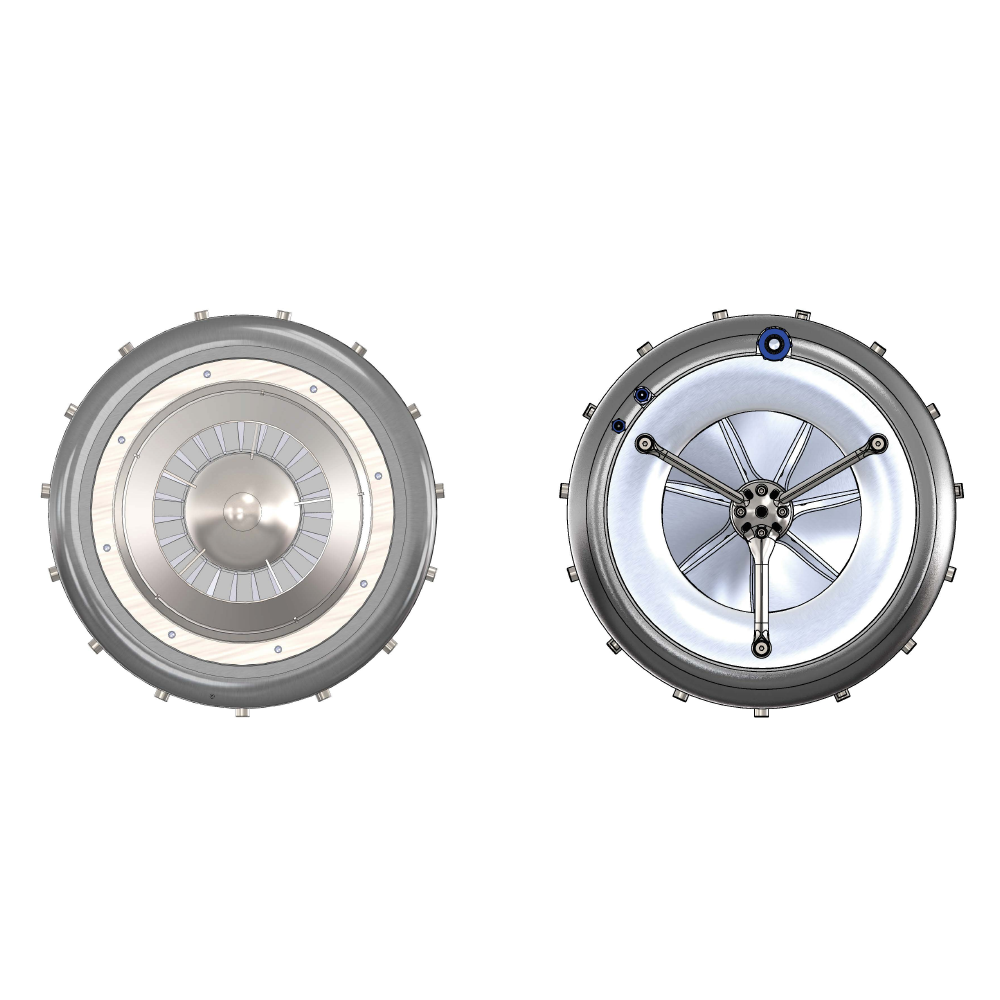
Selecting a turbine is not simply a matter of choosing the highest thrust figure. A reliable installation starts with the mission, airframe, operating environment and control requirements. This guide explains the questions to answer before choosing between the JetCat RC turbine range and JetCat PRO turbine engines.
Start with the aircraft and mission
Define the aircraft’s ready-to-fly mass, intended speed range, inlet and exhaust layout, expected flight duration and available installation space. Static thrust is important, but inlet losses, exhaust routing and the aerodynamic drag of the complete aircraft also affect real performance. For professional unmanned aircraft, include expected payload, duty cycle, launch conditions and the consequences of an aborted mission.
RC turbine or professional turbine?
JetCat RC turbines are designed around model-aircraft integration and familiar radio-control workflows. The PRO range is aimed at professional and industrial applications where system interfaces, telemetry, repeatable operation and application-specific integration are central to the project. A professional platform may require CAN communication, external control logic or several turbines on one serial interface.
What to check before ordering
Start by calculating the thrust margin after allowing for inlet and exhaust losses. Then check the engine dimensions, weight, mounting points and service access against the aircraft. The fuel system must support full-load consumption for the required endurance, while the battery, ECU, telemetry and control interface must work together. Temperature, altitude, dust, vibration and the intended maintenance schedule should also be part of the final choice.
Example: JetCat P1000-PRO
The JetCat P1000-PRO is a high-output professional engine intended for demanding aircraft and UAV projects. JetCat lists a maximum thrust of 1100 N, a weight of 11 kg and CAN, JetCat bus, PWM and analogue control options. Those capabilities are valuable only when the airframe, fuel system and control architecture are designed around them.
Plan the complete system
The engine is one part of the propulsion system. Budget for suitable fuel-system components, installation hardware, control electronics, batteries, telemetry and safe access for inspection. Browse JetCat engine accessories and refuelling solutions while planning the installation.
Information to send with a quote request
For a faster recommendation, include the aircraft type, target mass, mission profile, desired endurance, available engine bay dimensions, preferred control interface and destination country. Contact Orkes technical sales for product configuration, current lead time and delivery options.
Frequently asked questions
Is more thrust always better?
No. Oversizing can add mass, fuel consumption, heat and installation complexity. The goal is adequate performance with a safe margin.
Can a PRO turbine be controlled from a flight computer?
Some PRO models provide interfaces suitable for professional control integration. The exact interface and safety architecture must be verified for the selected model and application.
Technical reference: JetCat P1000-PRO product information. Always use the current manufacturer documentation for final engineering decisions.