


JetCat PRO Engine Selection for Professional UAV Projects

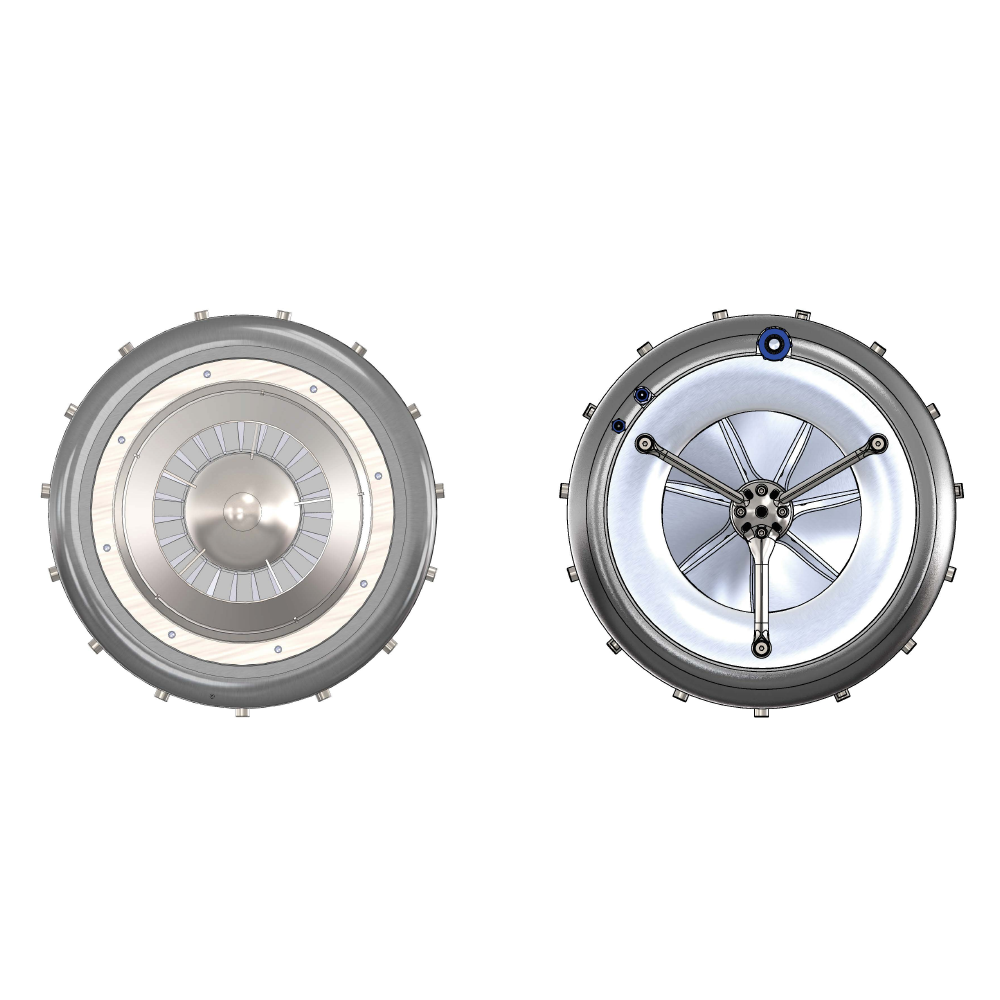
Choosing a turbine should begin with the aircraft and its mission, not with the largest thrust figure in the catalogue. The right engine must deliver suitable performance while fitting the available space, fuel system, electrical architecture and operating routine. This guide explains how to narrow the JetCat PRO turbine engine range before making a final technical selection.
Start with the complete mission profile
Record the expected take-off mass, flight profile, target endurance, operating altitude and available installation envelope. A compact aircraft that needs rapid throttle response has a different requirement from a long-endurance platform carrying sensors or generating onboard electrical power. Thrust margin matters, but so do weight, diameter, length, fuel consumption and the routing of intake and exhaust airflow.
| Project requirement | Selection priority | Useful starting point |
|---|---|---|
| Compact aircraft or fast response | Low installed mass and a responsive engine setup | P220-PRO-S2-R1 |
| More thrust margin in a mid-size installation | Balance between output, package size and fuel demand | P250-PRO-S-V2 or P350-PRO-S |
| Higher-output professional platform | Integration space, sustained fuel flow and thermal management | P400-PRO-LN |
| Maximum thrust and substantial onboard power | Complete airframe, fuel and generator integration | P1000-PRO |
Thrust class is only the first filter
JetCat’s professional range spans very different thrust classes. The manufacturer’s current JetCat PRO range overview is the correct reference for current variants and technical documentation. Use those figures to create a shortlist, then compare the complete installation. Two engines with similar nominal thrust can differ in starter configuration, generator option, nozzle arrangement or intended application.
Check installation, fuel and electrical demands together
Confirm the physical envelope before ordering. Allow for mounting hardware, service access, intake clearance, exhaust routing and the bending radius of fuel and electrical connections. The fuel system must support the required flow without introducing air, restriction or contamination. The engine battery, control interface and any generator output must also fit the aircraft’s power architecture rather than being treated as separate decisions.
If a generator-equipped model is being considered, define the real continuous and peak electrical loads first. A generator can support mission equipment and reduce dependence on separate batteries, but only when voltage, regulation, wiring and failure behaviour have been engineered as a complete system. For the largest engine family, our P1000-PRO versus P1000-PRO-GH guide explains the generator difference in more detail.
Make the final choice with verified project data
A good enquiry includes aircraft type, estimated mass, intended use, available engine bay dimensions, target endurance, fuel arrangement, control system and onboard power demand. That information makes it possible to identify genuine constraints early. Contact Orkes with your project details if you want help comparing suitable JetCat models before ordering.