


JetCat PRO Engine Comparison: From Compact Thrust to the P1000

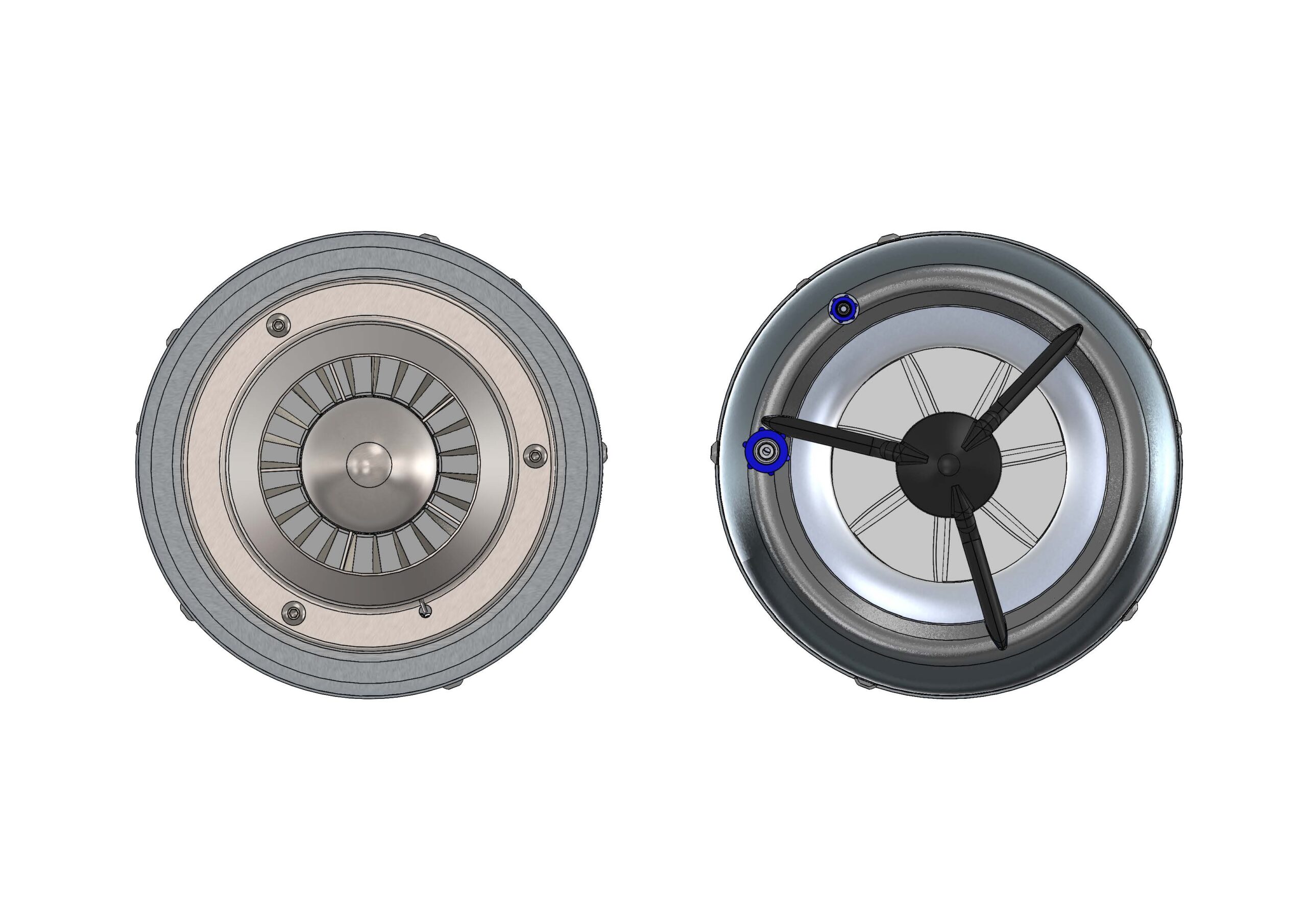
A useful JetCat PRO comparison is not simply a ranking from small to large. Each step in thrust changes the installation, fuel demand, thermal load and the type of airframe the engine can serve. The table below provides a practical route through the JetCat PRO engines available from Orkes.
The main JetCat PRO thrust classes
| Engine family | Where it fits in the range | What to investigate next |
|---|---|---|
| P220-PRO | Compact professional propulsion with a published 220 N maximum-thrust class | Response, nozzle option, aircraft mass and installation length |
| P250-PRO-S-V2 | A step up for large models and professional platforms needing more margin | Fuel demand, starter system and available engine-bay volume |
| P350-PRO-S | Mid-to-high output for projects that have outgrown the compact classes | Mounting, intake area, exhaust routing and endurance target |
| P400-PRO-LN | High-output professional class with multiple model variants | Exact LN, GL or GH configuration and onboard power requirement |
| P1000-PRO | The 1100 N maximum-thrust class for the largest integrations | Total system mass, fuel flow, cooling, generator load and project support |
Why a larger engine is not automatically better
Extra thrust can provide useful margin, but it also changes the aircraft. A larger engine normally requires more fuel capacity, stronger mounting, more intake area and more careful exhaust management. The added system mass can reduce the performance gain that looked attractive on paper. Selection should therefore be based on an installed-aircraft calculation rather than engine thrust alone.
Standard, GL and GH variants serve different electrical needs
Some JetCat PRO families include generator-equipped variants. The naming and output differ by family, so verify the exact technical sheet instead of assuming that every GL or GH engine provides the same electrical capability. JetCat’s published PRO engine data should be used for the current maximum thrust, dimensions, weight, fuel consumption and generator figures.
For the P1000 family, the standard P1000-PRO and P1000-PRO-GH share the same maximum thrust but provide different generator capability and package length. Read the dedicated P1000 version comparison before choosing between them.
A short specification request prevents expensive mismatches
Before asking for a quotation, provide the aircraft type, expected mass, required thrust, available diameter and length, flight duration, preferred fuel system, operating environment and electrical load. Orkes can then compare the relevant product data rather than recommending a model from a single headline number. Browse the complete JetCat PRO range or send us the project requirements.